

What Is Reiki?
Brief History of Usui Reiki
Usui Reiki is a form of energy healing that originated in Japan in the early 20th century. It was developed by Mikao Usui in 1922 as a spiritual practice designed to support physical, emotional, and energetic balance.
According to Reiki tradition, Usui was a spiritual seeker and teacher who spent many years studying meditation, Buddhism, and healing practices. His search for a deeper understanding of universal life energy led him to a period of intensive meditation and fasting on Mount Kurama. During this retreat, Usui reported experiencing a profound spiritual awakening that revealed a method for channeling healing energy through the hands.
After this experience, Usui began sharing what he called Reiki, a Japanese term often translated as “universal life force energy.” He taught students how to access this energy through attunements and simple hand placements designed to support the body’s natural healing processes.
Usui opened a clinic and training center in Tokyo where he practiced and taught Reiki to others. After his death in 1926, his students continued teaching the method. Reiki eventually spread around the world, becoming one of the most widely practiced forms of energy healing today.
How Reiki Clears Energetic Blocks
In Reiki philosophy, the body is understood not only as a physical structure but also as an energetic system. Stress, trauma, emotional suppression, and long-term imbalance can create energetic blocks that disrupt the natural flow of life force energy throughout the body.
When energy becomes stagnant or restricted, it may contribute to feelings such as:
emotional heaviness
fatigue or burnout
mental fog
physical symptoms
difficulty processing emotions
Reiki works by gently channeling universal life energy through the practitioner’s hands into the client’s energy field. This energy does not force change, the body knows where the energy is needed. Instead, it supports the body’s natural ability to restore balance.
As Reiki flows through the energetic system, many practitioners believe it helps:
dissolve energetic stagnation
relax the nervous system
release stored emotional energy
rebalance the body’s subtle energy centers
When these energetic blocks begin to clear, the body can return to a more natural state of flow. In this state, the physical body, emotional system, and mind are better able to support the process of healing and self-regulation.
Rather than treating symptoms directly, Reiki focuses on restoring energetic harmony, allowing the body’s innate healing intelligence to function more freely.

Reiki Healing Sessions
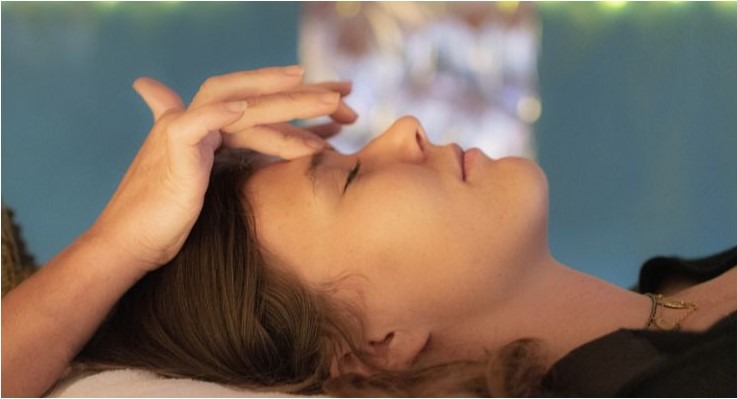
A Reiki healing session is a gentle, non-invasive energy healing practice designed to support physical, emotional, and energetic balance. During a Reiki session, the practitioner channels universal life force energy through their hands to help the body release stress and restore natural energetic flow.
Many people seek Reiki healing sessions to support:
stress and emotional overwhelm
energetic burnout or fatigue
spiritual growth and self-awareness
relaxation and nervous system regulation
clearing stagnant or blocked energy
During a typical Reiki session, the client remains fully clothed while resting comfortably. The practitioner places their hands lightly on or just above different areas of the body to guide energy where it is most needed.
Each session is unique. Some people experience deep relaxation, warmth, emotional release, or a sense of clarity and calm as energetic blocks begin to soften and clear.
Reiki does not replace medical treatment, but many people use it as a complementary practice that supports overall well-being and balance.
Reiki Training and Certification
Reiki is not only a healing modality but also a learnable spiritual practice. Through Reiki training and attunements, students learn how to access and channel universal life force energy for healing and personal development.
Traditional Usui Reiki training is typically taught in three levels:
Reiki Level 1
Students learn the foundations of Reiki, including:
the history and principles of Reiki
basic hand positions for self-healing and working with others
understanding the body’s energetic system
developing sensitivity to energy
Level 1 focuses primarily on self-healing and practicing with friends or family.
Reiki Level 2
Level 2 deepens the practice by introducing sacred Reiki symbols used to focus and direct energy. Students learn:
learn how to use Reiki on others
teaches Reiki symbols to expand their practice
methods for working more intuitively with energy
Reiki Master Level
The Master level prepares practitioners to teach Reiki and pass on attunements to others. This stage often emphasizes spiritual growth, energetic mastery, and guiding others on their healing path.
Reiki training can be a powerful step for those who want to develop their intuition, support others in healing, or deepen their own spiritual practice.
What to Expect During a Reiki Session
If you have never experienced Reiki before, the process is simple and relaxing.
A typical Reiki session often includes:
A short conversation about what you would like support with.
Time to relax comfortably while the practitioner channels healing energy.
Gentle hand placements around the body to support energetic flow.
Sessions usually last between 30 and 60 minutes.
People commonly report experiences such as:
deep relaxation
warmth or tingling sensations
emotional release
mental clarity
a feeling of energetic lightness
Some effects may be subtle at first. Reiki often works gradually, helping the body release stress patterns and restore balance over time.
Reiki is a complementary healing practice and should not be used as a replacement for medical or mental health care.
Frequently Asked Questions
What is Reiki healing?
Reiki is an energy healing practice based on intention. The practitioner channels universal life energy while hovering their hands above the recipient’s body without touching. The intention supports relaxation, balance, and the natural flow of energy.
What happens during a Reiki session?
During a session, the practitioner focuses intention and channels energy while holding their hands above the body. The experience is gentle and non-invasive and is intended to help the body relax and rebalance.
What is animal Reiki?
Animal Reiki applies the same intention-based practice for animals. The practitioner holds their hands above or near the animal, allowing the animal to receive the energy calmly and naturally.
Does Reiki help pets relax?
Many people use Reiki to help animals relax during stressful situations or periods of change. Because the practice is gentle and non-invasive, animals can receive the energy comfortably.
How can Reiki support someone at the end of life?
End of life Reiki offers gentle energy support that can promote relaxation, comfort, and peace during a deeply important transition. Many people experience reduced anxiety, emotional calm, and a sense of ease during sessions. Reiki is often used alongside hospice or palliative care to create a soothing environment for both the individual and their loved ones.
Is Reiki safe and beneficial for children?
Reiki is a gentle, non-invasive energy practice that can help children relax, feel calm, and reconnect with their natural sense of balance. Sessions are typically shorter and adapted to the child’s comfort level. Many parents seek Reiki for children who are experiencing stress, big emotions, difficulty sleeping, or periods of change, as it can support emotional well-being and relaxation.
Subscribe to our newsletter
Get Your Free 3-Day Empath Alchemy Course For Subscribing!
Discover simple daily practices to ground, clear, and set energetic boundaries. This free course gives you easy, powerful tools to start strengthening your energy immediately.
CONNECT
Proud member of the International Association of Reiki Professionals (IARP)